
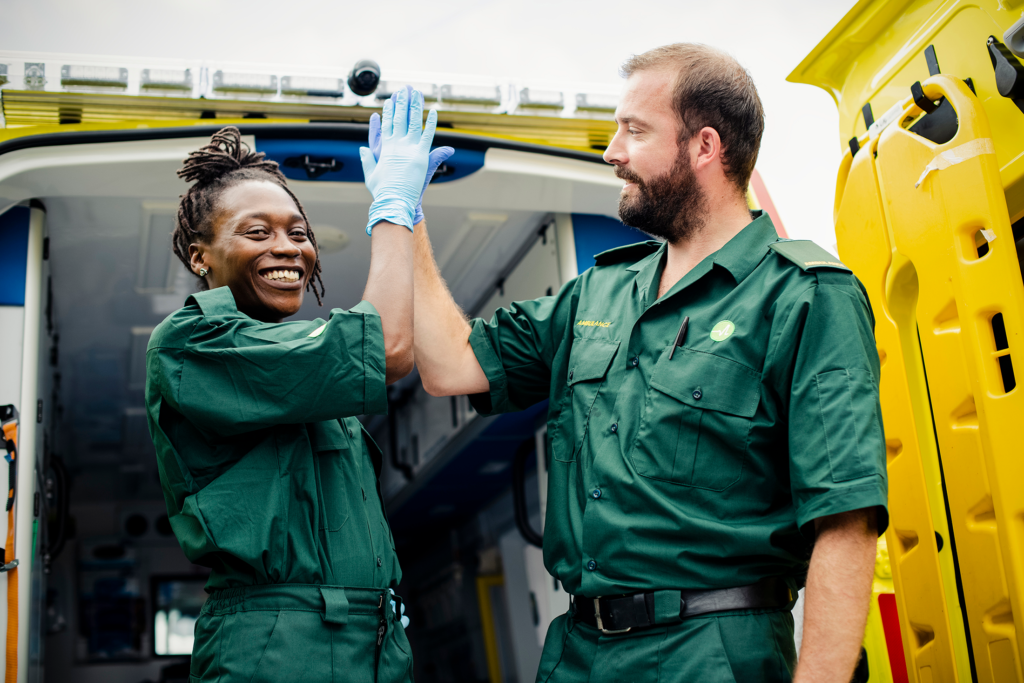
Emergency Medical Technician (EMT)

Course Description:

The Certified Nursing Assistant (CNA) Program is a 100-clock hours hybrid course designed to provide students with the essential skills and knowledge required to work effectively in long-term care settings, including nursing homes, rehabilitation facilities, and home care environments. This comprehensive course covers both the practical and theoretical aspects of the CNA role, focusing on resident care, communication, safety, infection control, and specialized medical needs. Students will engage in a structured curriculum that includes classroom instruction, hands-on practice, and clinical placement to gain real-world experience. Upon completion, students will be well-prepared to provide compassionate and competent care to individuals in long-term care and home care settings.

Course Outcome:

Certified Nursing Assistant (CNA)

PROGRAM OBJECTIVES

Upon successful completion of the Emergency Medical Technician program, students will be able to:

  • Demonstrate a comprehensive understanding of anatomy, physiology, and medical terminology as they apply to emergency care.
  • Assess, stabilize, and manage patients in medical, traumatic, and environmental emergencies.
  • Apply appropriate airway management and oxygen delivery techniques, including bag-valve-mask and suctioning procedures.
  • Perform CPR and operate AEDs according to American Heart Association (AHA) standards.
  • Manage bleeding, fractures, and shock using proper splinting and immobilization techniques.
  • Provide specialized care to pediatric, obstetric, geriatric, and psychiatric patients.
  • Communicate effectively with patients, families, and multidisciplinary healthcare teams.
  • Demonstrate professional conduct, ethical decision-making, and accurate patient documentation.
  • Operate safely and effectively within EMS, ambulance, and disaster response systems.
  •  

Weeks 1–3: Foundations of Emergency Medical Services (60 Hours)

Total Hours: 60

  • Theory & Lab (45 Hours):
    • Introduction to EMS systems and EMT scope of practice
    • Medical, legal, and ethical considerations
    • Human anatomy and physiology
    • Infection control and workplace safety
    • Communication, documentation, and patient assessment fundamentals
  • Hands-On Practical (15 Hours):
    • PPE and scene safety drills
    • Vital signs measurement and recording
    • Patient communication and initial assessment simulations

Weeks 4–6: Airway, Cardiac, and Respiratory Care (60 Hours)

Total Hours: 60

  • Theory & Lab (40 Hours):
    • Airway anatomy and obstruction management
    • Respiratory and cardiac emergencies
    • CPR, AED, and oxygen therapy
    • Basic pharmacology for EMTs
    • Pathophysiology of shock and circulatory compromise
  • Hands-On Practical (20 Hours):
    • Airway adjunct insertion and suctioning practice
    • Oxygen delivery system setup and administration
    • CPR/AED performance under simulated field conditions

Weeks 7–9: Trauma Management and Emergency Response (60 Hours)

Total Hours: 60

  • Theory & Lab (45 Hours):
    • Mechanisms of injury and trauma assessment
    • Bleeding control, wound care, and shock management
    • Musculoskeletal and spinal trauma
    • Multi-casualty incidents, triage, and extrication principles
  • Hands-On Practical (15 Hours):
    • Splinting, bandaging, and spinal immobilization
    • Trauma response simulations and rapid assessment drills

Weeks 10–11: Medical Emergencies and Special Populations (40 Hours)

Total Hours: 40

  • Theory & Lab (30 Hours):
    • Diabetic, allergic, and neurological emergencies
    • Environmental emergencies (heat, cold, toxins)
    • Obstetric and pediatric care
    • Behavioral and psychiatric crisis management
  • Hands-On Practical (10 Hours):
    • Pediatric, obstetric, and geriatric patient simulations
    • Scenario-based emergency response training

Week 12: EMS Operations, Certification, and Job Placement (20 Hours)

Total Hours: 20

  • Theory & Lab (10 Hours):
    • Ambulance operations and emergency vehicle safety
    • Incident command and disaster management
    • Documentation, reporting, and NREMT exam preparation
    • Employment readiness and interview techniques
  • Hands-On Practical (10 Hours):
    • Final skills evaluation and mock field testing
    • Real-time patient care scenarios and teamwork exercises

Total for EMT: 240 Hours

  • Theory & Lab: 170 Hours
  • Hands-On Practical: 70 Hours

EMT Training (240 Hours – 12 Weeks)

Weeks 1–3: Foundations of Emergency Medical Services (60 Hours)

Total Hours: 60

  • Theory & Lab (45 Hours):
    • Introduction to EMS systems and EMT scope of practice
    • Medical, legal, and ethical considerations
    • Human anatomy and physiology
    • Infection control and workplace safety
    • Communication, documentation, and patient assessment fundamentals
  • Hands-On Practical (15 Hours):
    • PPE and scene safety drills
    • Vital signs measurement and recording
    • Patient communication and initial assessment simulations

Weeks 4–6: Airway, Cardiac, and Respiratory Care (60 Hours)

Total Hours: 60

  • Theory & Lab (40 Hours):
    • Airway anatomy and obstruction management
    • Respiratory and cardiac emergencies
    • CPR, AED, and oxygen therapy
    • Basic pharmacology for EMTs
    • Pathophysiology of shock and circulatory compromise
  • Hands-On Practical (20 Hours):
    • Airway adjunct insertion and suctioning practice
    • Oxygen delivery system setup and administration
    • CPR/AED performance under simulated field conditions

Weeks 7–9: Trauma Management and Emergency Response (60 Hours)

Total Hours: 60

  • Theory & Lab (45 Hours):
    • Mechanisms of injury and trauma assessment
    • Bleeding control, wound care, and shock management
    • Musculoskeletal and spinal trauma
    • Multi-casualty incidents, triage, and extrication principles
  • Hands-On Practical (15 Hours):
    • Splinting, bandaging, and spinal immobilization
    • Trauma response simulations and rapid assessment drills

Weeks 10–11: Medical Emergencies and Special Populations (40 Hours)

Total Hours: 40

  • Theory & Lab (30 Hours):
    • Diabetic, allergic, and neurological emergencies
    • Environmental emergencies (heat, cold, toxins)
    • Obstetric and pediatric care
    • Behavioral and psychiatric crisis management
  • Hands-On Practical (10 Hours):
    • Pediatric, obstetric, and geriatric patient simulations
    • Scenario-based emergency response training

Week 12: EMS Operations, Certification, and Job Placement (20 Hours)

Total Hours: 20

  • Theory & Lab (10 Hours):
    • Ambulance operations and emergency vehicle safety
    • Incident command and disaster management
    • Documentation, reporting, and NREMT exam preparation
    • Employment readiness and interview techniques
  • Hands-On Practical (10 Hours):
    • Final skills evaluation and mock field testing
    • Real-time patient care scenarios and teamwork exercises

Total for EMT: 240 Hours

  • Theory & Lab: 170 Hours
  • Hands-On Practical: 70 Hours

APPLY ONLINE

San Antonio Career Center
3000 E Houston Street
San Antonio, Texas 78219

Desoto Career Center
3000 E Houston Street
San Antonio, Texas 78219